-
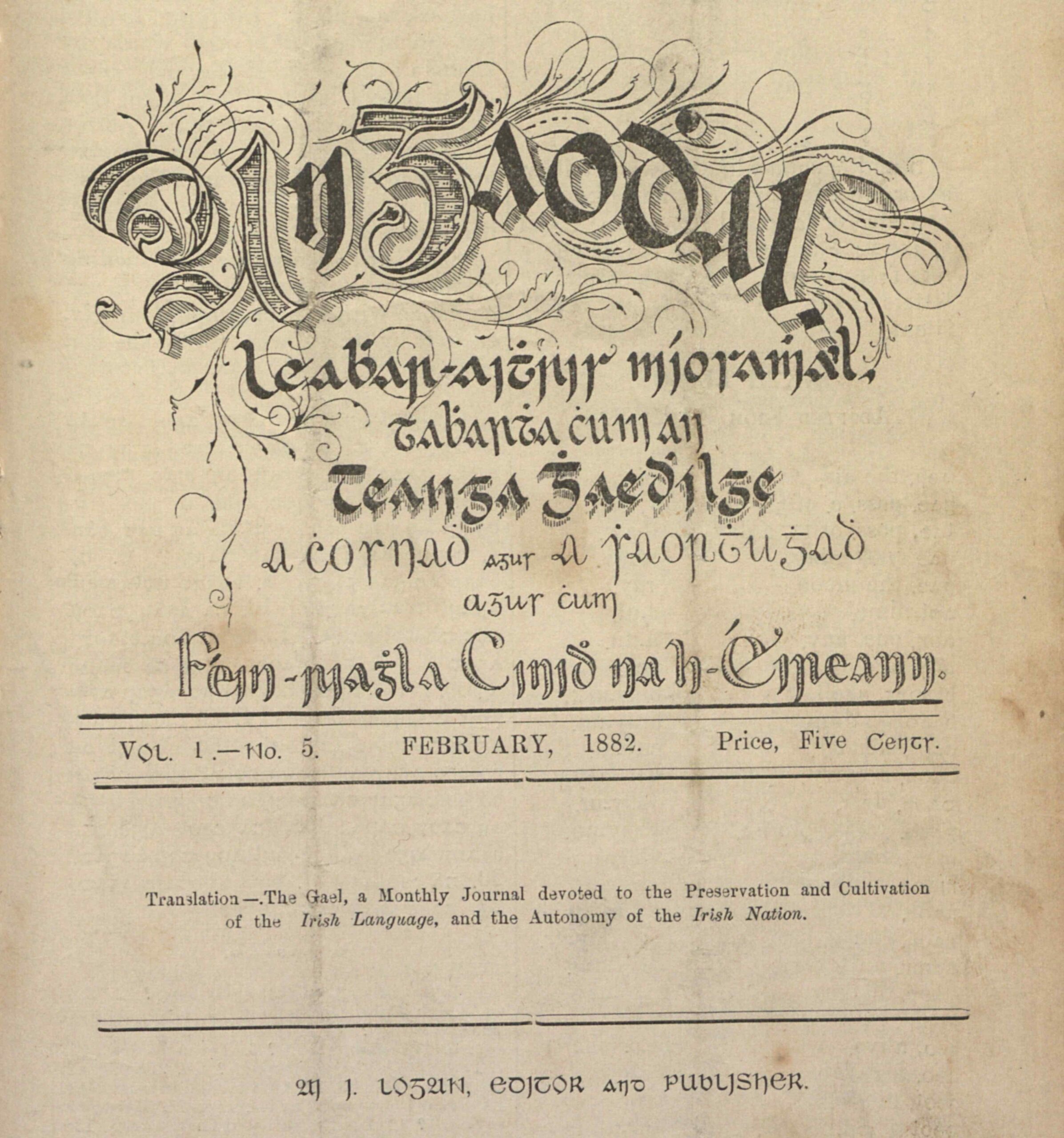
From Galway to Brooklyn: Mícheál Ó Lócháin and An Gaodhal, the world’s first Irish-language newspaper
This lecture will introduce the seminal monthly bilingual Irish-English newspaper An Gaodhal, the first serial dedicated to providing content to an Irish-language readership. An Gaodhal was established, edited, and printed from 1881 to 1898 in Brooklyn, New York, by Micheál Ó Lócháin (c.1836-1899) from Milltown, Co. Galway, who came to be regarded as the father
-
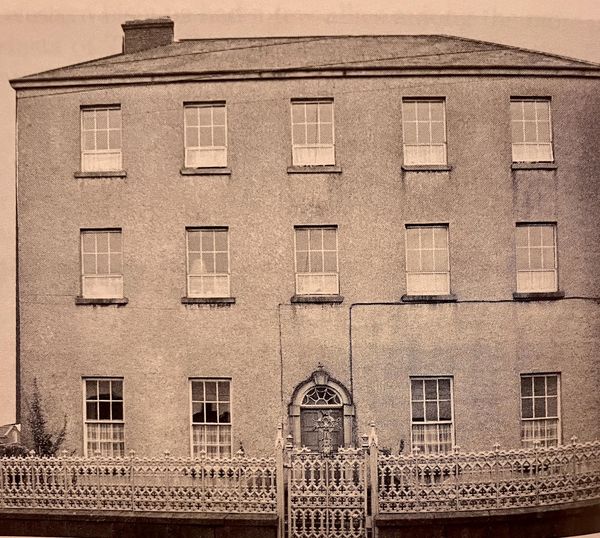
‘The connection is radically rotten…’ – The rise and fall of Lord ffrench’s Bank – 1803-1814′ (Monday 7 October)
The collapse of the Tuam Bank, 1803-1814, is the subject of our Society’s next lecture which takes place in the Harbour Hotel, Galway, on Monday 7th October at 8 pm. The lecturer is Irene McGoldrick On 27 June 1814, Lord ffrench’s Bank of Tuam (picture shows bank premises in Bishop Street) and Dublin, unable to
-
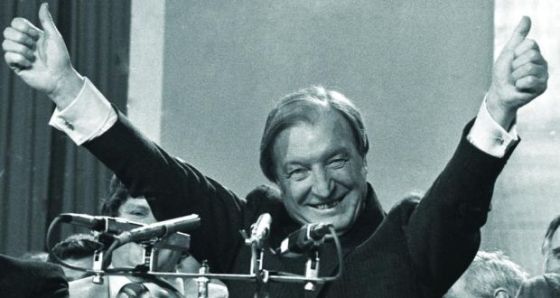
Iron in the Soul: The Life of Charles J. Haughey Reassessed (16 September 2024)
In this address, Gary Murphy, author of the bestselling and widely acclaimed biography of the late Taoiseach, Charles J. Haughey, will reassess Haughey’s role in the making of modern Ireland. His talk will explore Haughey’s role at heart of Irish political life for over three and a half decades and examine his still controversial legacy. Charles
-
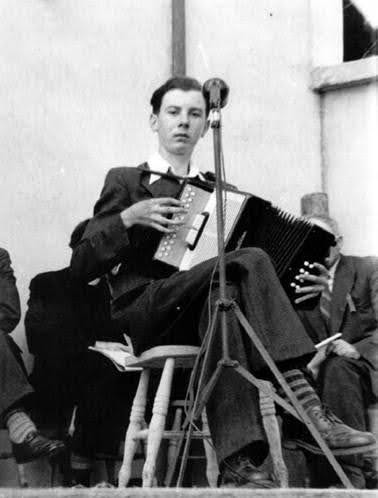
Building Fleadh Cheoil na hÉireann in the 1950s: Traditional music festivalisation in Loughrea and Ennis
This talk will discuss the development of the annual Fleadh Cheoil na hÉireann in the 1950s, with particular emphasis on when the Fleadh came to Loughrea, County Galway in 1955 and the subsequent year 1956, when it was hosted in neighbouring County Clare, in Ennis. The Fleadh was first established by Comhaltas Ceoltóirí Éireann (CCÉ)
-
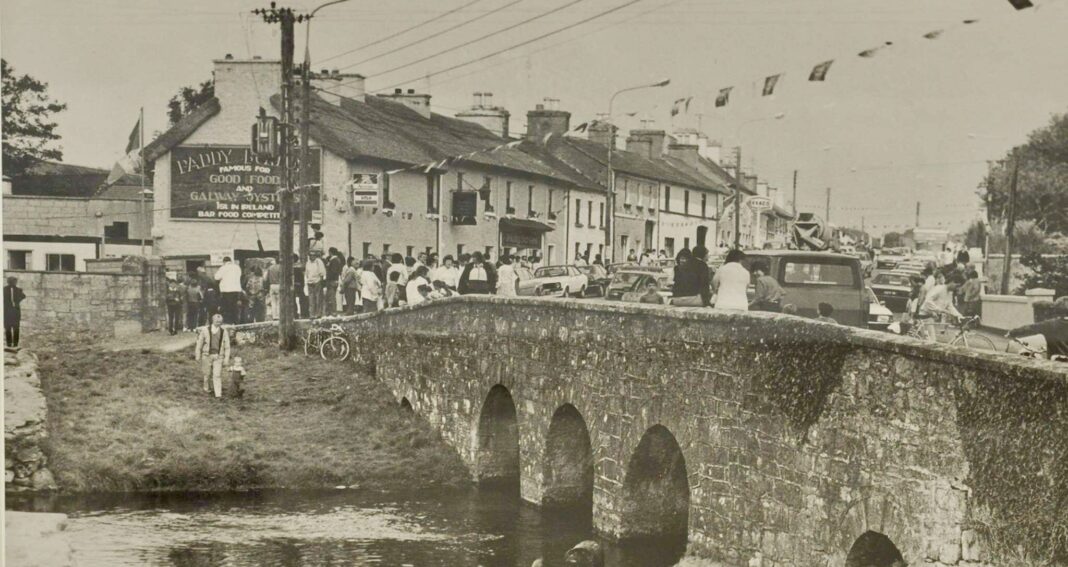
Crossing Points: River-fords and the study of historic landscapes
River-fords are a common but half-forgotten feature of the Irish countryside, their positions recalled only by ‘áth’ placenames, historic maps and local memory. Being gifts of nature, they are distinctly un-monumental and liminal locations. As a result, river-fords have featured only intermittently in academic research: their existence often overlooked by archaeologists; their presence a mere backdrop for historians; their orthographies a
-
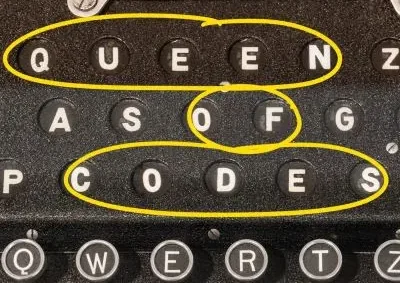
From Galway to Bletchley: The Secret Life of Emily Anderson OBE, Britain’s Greatest Female Codebreaker
Galway woman Emily Anderson may have appeared to the world as the epitome of ordinary, yet was in truth anything but. Born in 1891 as the daughter of the President of Queen’s College Galway, during World War I she was recruited to British intelligence to work as a codebreaker. So exceptional were her skills that
-
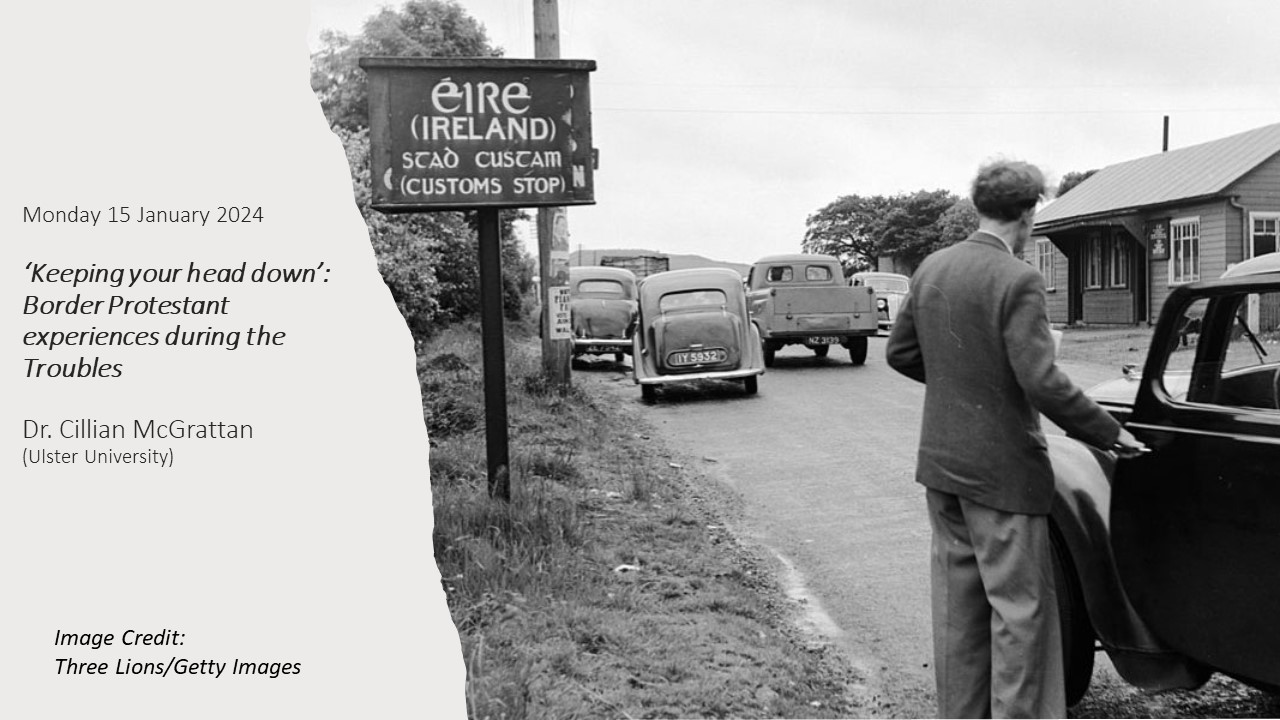
‘Keeping your head down’: Border Protestant experiences during the Troubles
The Northern Irish ‘Troubles’, which claimed almost 4,000 lives, was the longest-running ethnic conflict in post-War Europe. Histories of the Troubles tend to focus on political elites or political groupings – in particular, nationalist and loyalist paramilitaries. One under-researched and under-appreciated dimension of the conflict has been the experiences of the border Protestant community. Whilst
-
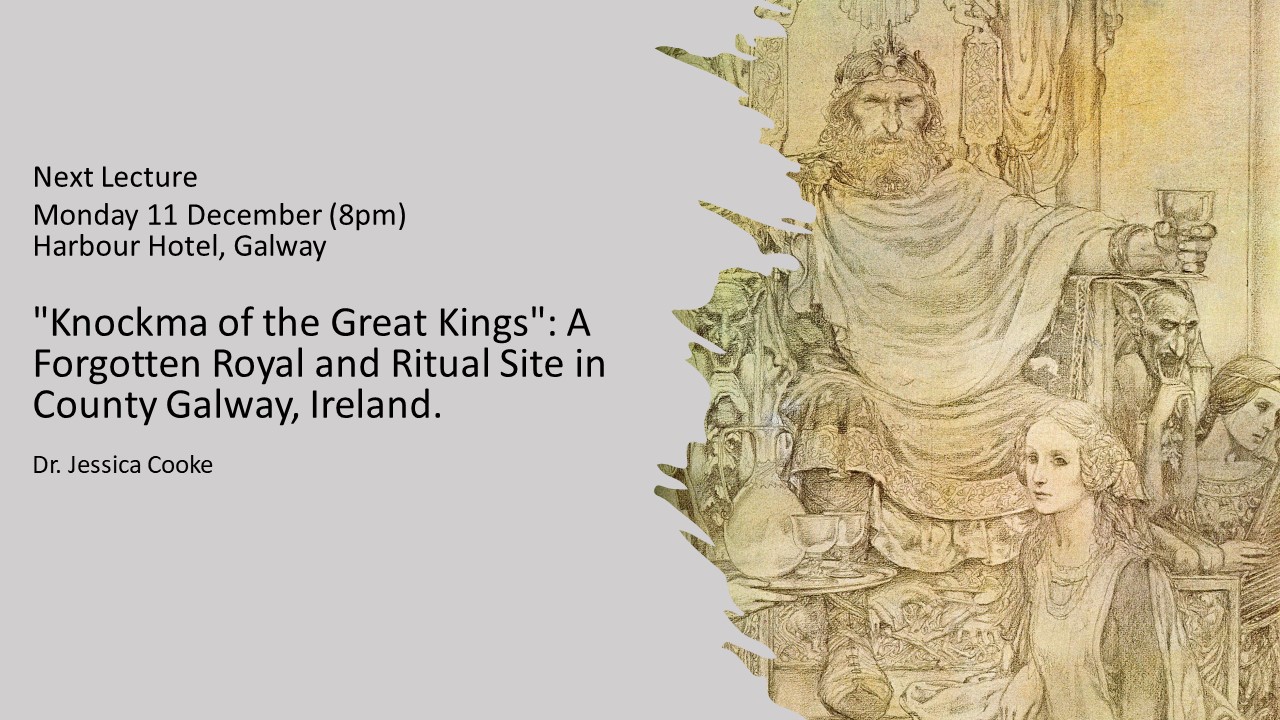
“Knockma of the Great Kings”: A Forgotten Royal and Ritual Site in County Galway, Ireland.
In the last 30 years excellent progress has been made in analysing the royal and ritual sites of Ireland: Newgrange and the Boyne Valley, the hill of Uisneach – known as the navel of Ireland, Emain Macha in Armagh, and Tara, among others. The westernmost royal and ritual site is considered to be Cruachan in
-
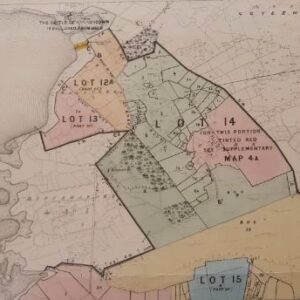
County Galway estates in the Encumbered Estates Court and its successors, 1850-1885
The Commission for the Sale of Encumbered Estates, often referred to as “the Encumbered Estates Court” was established in 1849. It’s purpose was to expedite the sale of landed estates “encumbered” by debt. In a parallel with our more recent history it has sometimes been likened to a “19th century NAMA”! This talk will briefly look
-
From Civil War to Democracy: The Irish Free State in 1923
‘Terrible things were done by both sides…I’d prefer not to talk about it’. Uttered in 1969, Séan Lemass’ words on the Irish Civil War encapsulated views of the conflict half a century later. This bitter ‘War of the Brothers’ had lasted eleven months, ended with a cessation of hostilities but no negotiated settlement, and provided
Cumann Seandalaíochta agus Staire na Gaillimhe
Galway Archaelogical and Historical Society